How do I source verified electronics for Amazon FBA without putting my seller account at risk? It's a question worth asking before you place your first wholesale order, not after Amazon flags a shipment. Most FBA account suspensions tied to electronics don't start with a listing error or a policy violation. They start with a bad sourcing decision made weeks or months before a single unit ever reached a fulfillment center. Electronics is one of Amazon's highest-revenue categories and one of its most aggressively policed. Amazon holds sellers personally accountable for every unit they ship, which means your supplier's credibility becomes your credibility the moment those products hit a warehouse.
Wholesale trade partners like Saitell operate with transparent grading systems and structured documentation protocols precisely because Amazon FBA sellers can't afford sourcing mistakes. This guide covers how to source verified electronics for Amazon FBA: how to find legitimate suppliers, what documents to request before placing any order, how to read condition grades, and what separates a verified distributor from one that will cost you your account.
Why electronics sourcing carries more risk than other Amazon categories
Electronics is one of Amazon's most heavily restricted categories. Many brands and subcategories require explicit approval to sell, and Amazon's counterfeit detection operates at the warehouse level. Flags happen fast, and they don't wait for you to dispute the claim before the damage is done.
Amazon's gated categories and what "verified" actually means here
When Amazon talks about verified suppliers in an electronics context, they mean a supplier who can prove their direct relationship with the original manufacturer. Having inventory isn't enough. Amazon's ungating process for restricted electronics requires invoices issued within 180 days from an authorized wholesaler or distributor, not retail receipts. Those invoices need to show at least 10 units per invoice, supplier contact details, your business name, and product identifiers. Packaging images, FCC certifications, and brand authorization letters can all be requested at any point.
The counterfeit problem and how it triggers suspensions
Counterfeit electronics reach FBA warehouses through legitimate-looking invoices, ungraded stock, and trade accounts with middlemen who obscure the supply chain. Amazon's warehouse systems flag ASINs when authenticity can't be confirmed through the documentation on file. The financial hit from a suspension is one problem. Rebuilding account health after a counterfeit claim lands on your record is a harder, longer problem, especially in a category where Amazon's scrutiny doesn't ease up once it starts.
Where legitimate electronics suppliers actually come from
Manufacturer authorized distributor portals
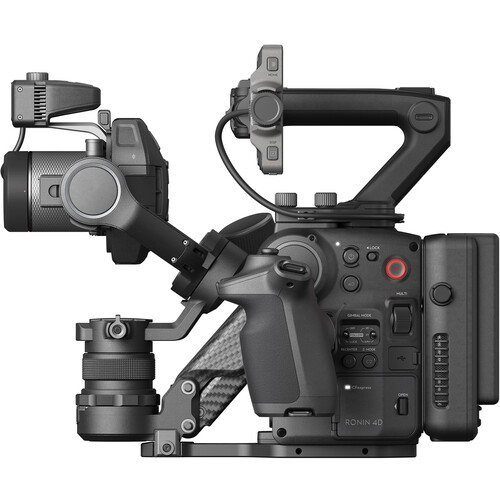
The most reliable starting point is the brand's own website. DJI, Sony, Canon, and most major electronics OEMs maintain official "Where to Buy" or "Authorized Distributors" pages, searchable by region and dealer type. A supplier listed on DJI's enterprise dealer locator has met DJI's own requirements; a supplier not on that list has no legitimate basis for claiming authorization. These portals outrank any third-party badge, self-reported certification, or verbal claim. Always cross-reference what a supplier tells you against the manufacturer's public listing before committing any capital.
B2B wholesale trade partners with verified graded stock
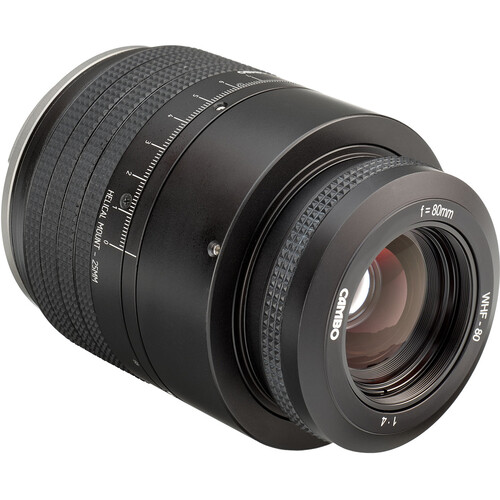
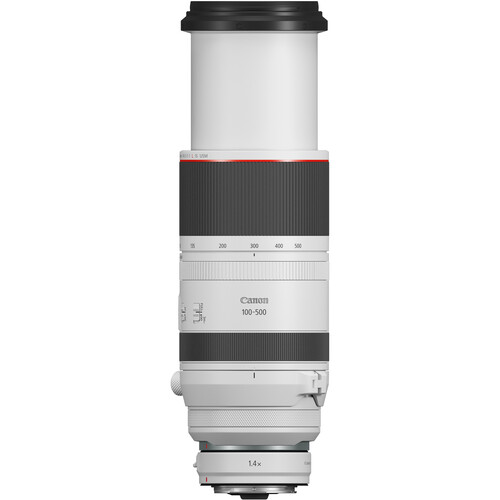
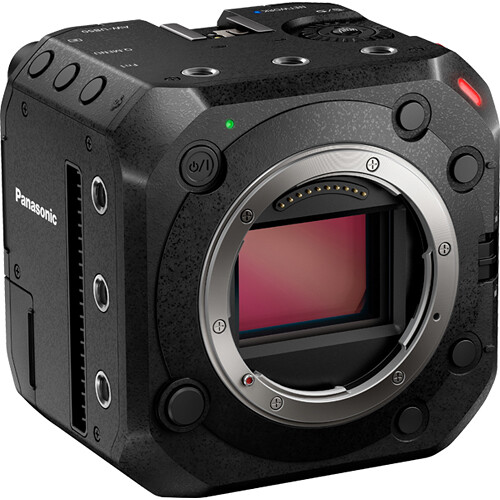
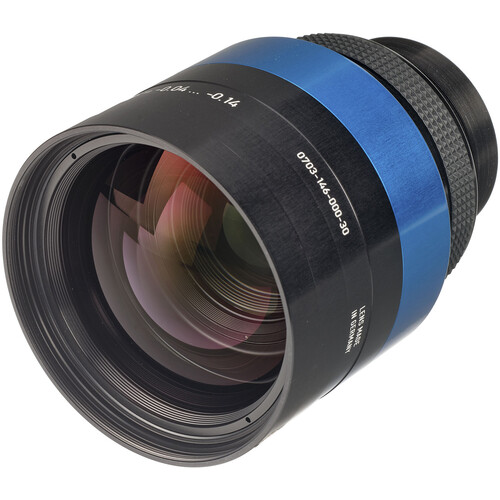
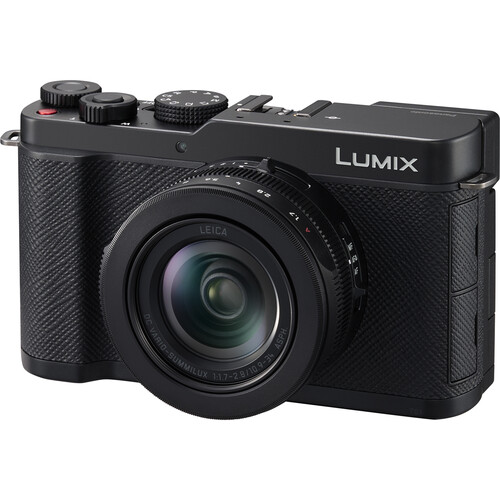
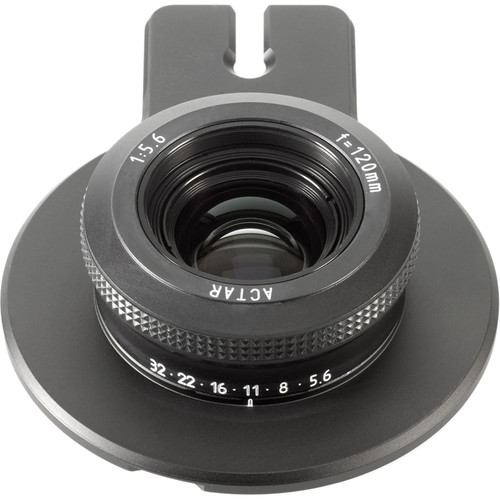
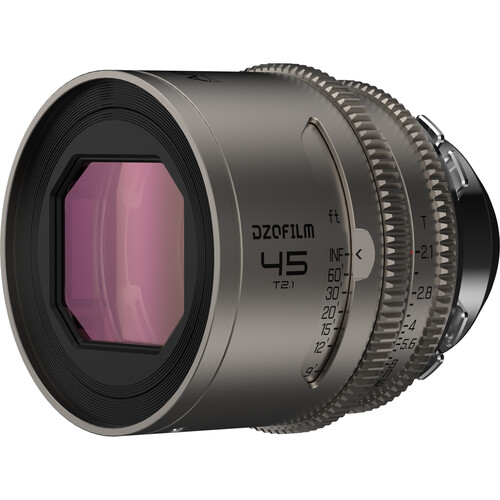
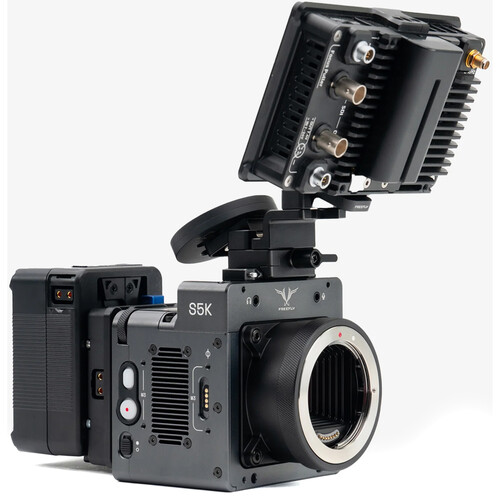
Beyond manufacturer portals, there's a category of specialized B2B wholesale electronics distributors that operate with dedicated account management, live stock lists, and formal condition grading. Saitell is one example of how this model works: a wholesale partner operating since 2006 with Grade A and Grade B stock ratings across cameras, drones, lenses, and pro video equipment, with trade account structures built for FBA sellers who need a documented supply chain. That structure produces the documentation trail Amazon requires, not just a receipt from a transaction.
Supplier verification checklist for Amazon FBA electronics: what Alibaba's "Verified Supplier" badge actually guarantees (and doesn't)
Alibaba's Verified Supplier badge confirms that a third-party auditor (SGS or TÜV Rheinland) physically visited the supplier's facilities and confirmed a real, registered business with actual production or distribution capacity. That's a useful starting filter. What the badge does not confirm is product quality, certification authenticity, or authorized distributor status for specific brands. A verified Alibaba supplier can still sell ungraded, uncertified stock. Samples, transaction history checks, and manufacturer cross-verification are still required before any bulk order goes through.
The documentation checklist every verified electronics supplier must provide
Brand authorization and manufacturer confirmation
A verified electronics supplier should provide a brand authorization letter and appear on the manufacturer's official distributor list. The letter alone isn't sufficient. Authorization letters can be outdated, reassigned, or fraudulent. The manufacturer's portal listing is the primary proof; the letter is supporting evidence. If a supplier has a letter but isn't on the brand's public distributor page, contact the brand's wholesale or authorized retail team directly to confirm status before committing any capital.
Invoices, business registration, and chain of custody
A compliant invoice needs supplier contact information, an invoice number, unit quantities, product identifiers, and pricing that matches your purchase orders. Business registration documents should match the legal entity name across every document in the chain. For high-value electronics, Certificates of Conformance trace the product from the OEM to the distributor, providing chain-of-custody documentation that separates a full supply chain audit trail from paperwork that looks credible but can't survive scrutiny.
Safety and compliance certifications to request
FCC certification is mandatory for wireless electronics sold in the US. Any camera with Wi-Fi connectivity, drone with remote control capability, or Bluetooth accessory requires FCC documentation before you can list it on Amazon without risking immediate removal. CE marking covers EU compliance, and UL certification applies to electrical safety standards frequently required by retailers and insurers. Request these certifications before placing any bulk order. A supplier who can't produce them quickly either doesn't have compliant inventory or doesn't have a clear picture of what they're selling.
How to evaluate condition grading and return policies before you commit
Grade A vs. Grade B: what each means for Amazon FBA listing eligibility
Grade A electronics are typically open-box or light-use items with no meaningful cosmetic wear and full functionality. On Amazon, that maps to "Used, Like New." Grade B stock has minor visible cosmetic signs of use (light scratches, small marks) but remains fully functional, mapping to "Used, Very Good." Getting this distinction right before sourcing prevents listing mismatches that generate customer complaints and return disputes. A supplier with clear, standardized grading prevents those problems before the inventory ever ships.
Why return policy terms signal supplier confidence
A supplier confident in their grading stands behind it with a return window. A 14-day return policy from a wholesale electronics distributor is a meaningful benchmark: it means the supplier has graded their inventory carefully enough to accept liability for it. "All sales final" suppliers transfer all inventory risk to you the moment you pay. A real return window is a direct question worth asking every supplier on your shortlist.
Quote response time as a trust signal
A supplier who responds to trade pricing requests within 24 hours operates with live stock visibility and real account management infrastructure. Slow or vague responses often signal stock that isn't fully tracked, or a middleman checking with an upstream source. Fast, accurate quote responses are evidence that the supplier runs a structured business with genuine visibility into their own inventory, not just an inbox that fills up when demand spikes.
Red flags that reveal a supplier isn't verified
Documentation gaps are the clearest warning sign. If a supplier can't produce a brand authorization letter, delivers invoices with mismatched details, gives vague answers about where stock originates, or can't provide FCC and CE certificates on request, remove them from your list. Legitimate distributors expect documentation requests and have everything ready, because their other trade partners ask for the same things.
Pricing is the second filter. Verified wholesale pricing from authorized distributors typically runs 20 to 35% below retail for graded stock. If a supplier is offering brand-name electronics at 50 to 60% below retail without a clear explanation tied to condition or liquidation context, that's not an opportunity. That's a warning to walk away before placing an order.
Operational structure is the third signal. Reputable wholesale electronics distributors assign dedicated account managers, maintain trade portals, and can provide verifiable references from existing buyers. Suppliers who communicate only through generic email, have no trade portal, and can't provide any buyer references don't belong on a serious sourcing shortlist, regardless of how competitive their pricing looks.
Building and maintaining your verified supplier shortlist
Before sending inventory to Amazon fulfillment centers, run a sample order. Test units against the supplier's stated condition grade, verify that certifications match the physical product, and confirm packaging meets Amazon's standards. A supplier who handles sample orders professionally and delivers exactly what they quoted is worth investing in at scale. One who doesn't is worth nothing at any price.
Once a supplier passes the sample test, maintain organized records for every transaction by ASIN or product line: invoices, authorization letters, COA documents, FCC certifications, and purchase correspondence. Amazon can request proof of supply chain at any time, and you won't have warning before it happens. Structured records let you respond to any audit or listing challenge quickly, instead of rebuilding a paper trail under pressure. A supplier who delivers organized documentation with every order makes this significantly easier to sustain as your catalog grows.
How do I source verified electronics for Amazon FBA: the bottom line
Every unit you send to a fulfillment center carries your account's credibility. Amazon doesn't distinguish between intentional fraud and honest sourcing mistakes when it reviews an inauthentic claim. Knowing how to source verified electronics for Amazon FBA means building a process, not just completing a one-time check.
The suppliers worth working with document everything, grade honestly, back their stock with real return policies, and respond fast enough to keep your sourcing pipeline moving. That's the standard. Measure every supplier against it before placing an order, and your shortlist will be short for exactly the right reason.
If you're ready to source verified electronics with the documentation trail Amazon actually requires, apply for a trade account with Saitell and get access to live stock lists, grade-verified inventory, and a dedicated account manager within 24 hours of approval.